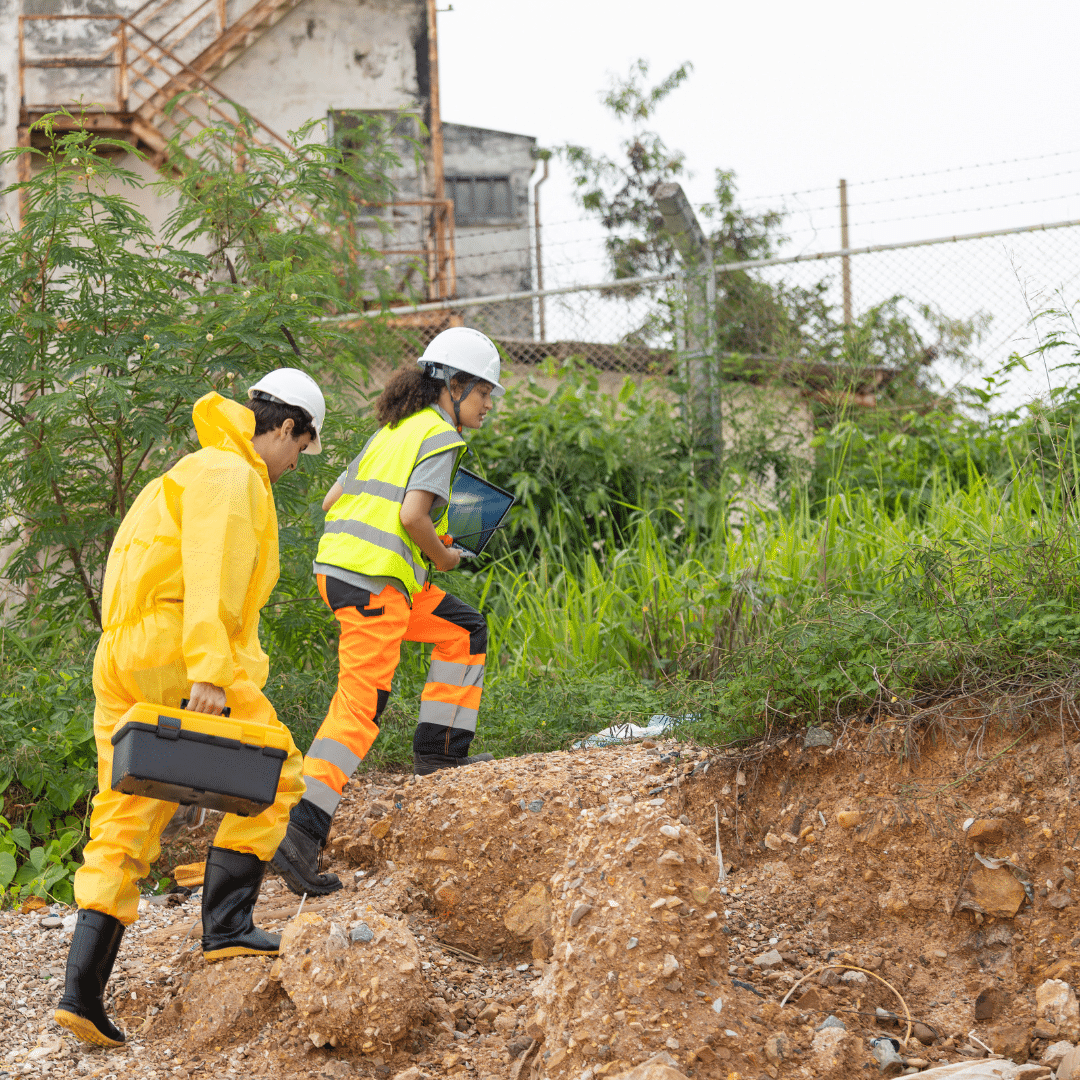

An underground storage tank inspection helps prevent leaks, fines, and compliance issues. Learn how often inspections are required and why they matter.
If you own, operate, or are buying a property with an underground storage tank, one of the most important compliance questions you can ask is: How often should underground storage tanks be inspected?
The answer depends on the type of tank, what it stores, and which state and federal programs apply—but one thing is constant: regular underground storage tank inspection is critical for protecting property value, public health, and regulatory compliance.
Failing to keep up with required inspections can lead to environmental contamination, costly cleanup, and serious enforcement actions. Below is a clear breakdown of inspection requirements, the inspection process, and how to stay compliant in Florida.
What Is an Underground Storage Tank (UST)?
An underground storage tank (UST) is any tank system that stores regulated substances—most commonly petroleum or hazardous chemicals—where at least 10% of the tank volume is below ground. These tanks are widely used at gas stations, trucking facilities, industrial plants, agricultural operations, and municipal sites.
Because leaks from a storage tank underground can contaminate soil and groundwater without immediate detection, USTs are regulated under both state and federal environmental programs. Regular inspection is the primary way regulators ensure these systems remain safe and leak-free.
How Often Are Underground Storage Tank Inspections Required?
Inspection frequency varies based on the tank’s contents, age, and regulatory classification. However, most UST systems follow a layered inspection schedule that includes operator checks, annual testing, and periodic state oversight.
In general, UST inspection requirements include:
- Monthly operator inspections to verify that leak detection systems, spill prevention devices, and overfill protection are functioning properly.
- Annual performance testing of spill buckets, overfill devices, and corrosion protection systems.
- Periodic compliance inspections conducted by state regulators every three years or as part of a targeted enforcement program.
Rules are enforced under state programs approved by the U.S. Environmental Protection Agency, and Florida operates its own delegated UST compliance program. Inspection schedules may be more frequent for hazardous substance tanks than for petroleum-only systems.
Inspection for an Underground Storage Tank: What’s Included?
A proper inspection for an underground storage tank is more than just a quick visual check. It involves a systematic review of both equipment and records to verify that the tank system is operating safely and legally.
Typical inspection components include:
- Leak detection system verification
- Spill and overfill protection testing
- Corrosion protection system checks
- Secondary containment integrity testing
- Review of release detection records and maintenance logs
Between these checks, inspectors also evaluate whether monitoring devices are correctly calibrated and whether required documentation is being maintained. Skipping even one of these elements can put a facility out of compliance.
Who Can Perform an Underground Storage Tank Inspection?
Not all personnel are qualified to conduct formal compliance inspections. While day-to-day monthly operator checks may be handled in-house, regulatory inspections and specialized system testing must be completed by a licensed underground storage tank inspector or an experienced environmental consultant.
Using a qualified third party is especially important when:
- A tank system is being upgraded or repaired
- A facility is under regulatory review
- A property is being bought or sold
- A suspected release needs investigation
Experienced consultants help ensure testing meets regulatory standards and that deficiencies are documented and corrected before they trigger enforcement action.
What Happens If You Miss a Required UST Inspection?
Missing required inspections is one of the fastest ways to trigger serious environmental liability. When inspections lapse, small mechanical failures often go unnoticed—until contamination is discovered.
Consequences may include:
- Regulatory fines and enforcement actions
- Mandatory system shutdowns
- Costly soil and groundwater cleanup
- Long-term monitoring requirements
- Delays or derailment of real estate transactions
In many cases, contamination from uninspected tanks leads directly to Phase II Environmental Site Assessments and full remediation projects that could have been avoided with routine compliance.
How UST Inspections Affect Real Estate Transactions
UST inspections are a critical component of environmental due diligence for commercial property transactions. If a tank is present or suspected, buyers, lenders, and insurers typically require verification of inspection history and system integrity.
During property acquisition, UST inspections often tie directly into:
- Phase I Environmental Site Assessments
- Phase II soil and groundwater sampling
- Liability allocation between buyers and sellers
- Redevelopment feasibility and project financing
A missed inspection or undocumented maintenance issue can delay closing—or expose a new owner to undisclosed environmental liability.
Underground Storage Tank Inspections FAQ
How long does a typical UST inspection take?
Most inspections are completed in a few hours, depending on system complexity and the availability of records.
Do inactive tanks still require inspection?
Yes. Inactive tanks must continue to meet certain monitoring and maintenance requirements unless they are properly closed.
What records must be kept for UST compliance?
Operators must maintain leak detection logs, testing reports, repair records, and training documentation.
Are underground storage tank inspections required for abandoned systems?
Once a tank is permanently closed in accordance with regulatory standards, routine inspections stop—but closure documentation must be retained.
How CES Helps You Stay Compliant with Underground Storage Tank Inspections
At Creative Environmental Solutions (CES), we help Florida property owners, operators, and developers stay ahead of underground storage tank inspection requirements at every stage of ownership.
From coordinating inspections and reviewing compliance records to supporting tank closures, real estate due diligence, and regulatory response, our team provides clear, practical guidance that reduces risk and keeps projects moving.
Whether you’re preparing for a routine inspection, addressing a notice of violation, or evaluating a storage tank underground during a property transaction, CES ensures your inspection for an underground storage tank is handled accurately and in full regulatory compliance.
Need help with an underground storage tank inspection or compliance review?
Contact us today to schedule your inspection or discuss your UST compliance needs anywhere in Florida.