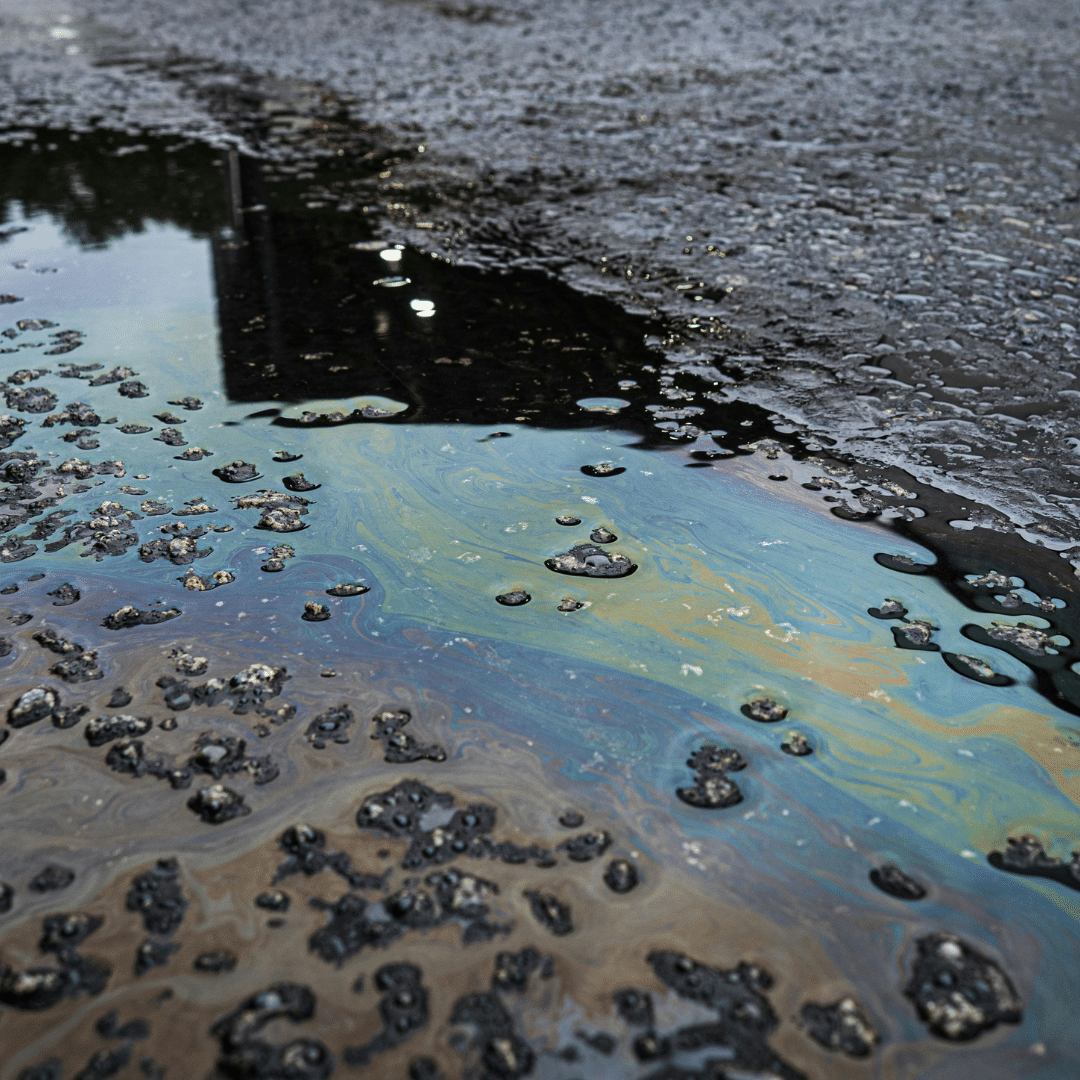

Learn the most common spill prevention, control, and countermeasure plan mistakes, how to avoid costly violations, and how to keep your facility compliant.
A Spill Prevention, Control, and Countermeasure (SPCC) plan is one of the most important environmental compliance documents for facilities that store oil or petroleum products. Yet many businesses treat it as a one-time requirement rather than an ongoing compliance program.
Small oversights can quickly become major violations during an inspection or after a spill. Understanding the most common SPCC plan mistakes can help facility owners reduce environmental risk, avoid enforcement actions, and maintain compliance with federal regulations.
Why SPCC Compliance Matters
The U.S. Environmental Protection Agency (EPA) requires certain facilities to develop and maintain a spill prevention, control, and countermeasure plan to minimize the risk of oil reaching navigable waters or adjoining shorelines.
An effective SPCC plan protects more than the environment. It also helps businesses avoid costly cleanup efforts, operational disruptions, and regulatory penalties by ensuring facilities are prepared before a spill occurs.
1. Assuming Your Facility Does Not Need an SPCC Plan
One of the most common mistakes occurs before a plan is ever written. Many businesses underestimate their total oil storage capacity or overlook containers that count toward EPA thresholds. Used oil, hydraulic oil, lubricants, generators, transformers, and heating oil may all contribute to a facility’s total storage capacity.
If your facility exceeds applicable thresholds, an SPCC plan may be required even if spills have never occurred.
How to avoid it: Periodically review all oil storage containers and have your facility evaluated whenever operations change or storage capacity increases.
2. Failing to Update the SPCC Plan
An SPCC plan should evolve with your facility. Installing new tanks, relocating equipment, expanding operations, or modifying containment systems may require updates to the existing plan. EPA regulations also require facilities to review and evaluate their plans at least once every five years.
How to avoid it: Schedule regular compliance reviews and update your SPCC documentation whenever significant operational changes occur.
3. Inadequate Secondary Containment
Secondary containment is one of the most frequently cited compliance issues.
Containment systems must be capable of preventing discharged oil from reaching surrounding soil, storm drains, or nearby waterways. Damaged berms, cracked containment areas, or insufficient capacity can place a facility out of compliance.
How to avoid it: Regularly inspect containment structures and repair deficiencies before they become regulatory issues.
4. Poor Inspection and Maintenance Records
Even facilities with excellent equipment can receive violations if documentation is incomplete. Inspectors often review maintenance logs, inspection records, equipment testing, and employee training documentation. Missing or inconsistent records make it difficult to demonstrate ongoing compliance.
How to avoid it: Maintain organized records and establish a consistent inspection schedule for all oil storage equipment and containment systems.
5. Inadequate Employee Training
Employees are often the first line of defense during a spill. Without proper training, even minor releases can escalate because personnel are unsure how to respond or report the incident.
How to avoid it: Train employees on spill prevention procedures, routine inspections, emergency response protocols, and reporting requirements. Refresher training should be provided whenever procedures change.
6. Waiting Until an Inspection to Address Compliance
Many facilities only review their SPCC plan after receiving notice of an inspection or following a spill. By then, correcting deficiencies may be more costly and time-consuming than addressing them proactively.
How to avoid it: Conduct periodic internal compliance reviews with an environmental consultant to identify and correct issues before regulators do.
SPCC Compliance Checklist
Use this quick checklist to help identify potential compliance gaps:
- Review oil storage capacity annually.
- Update your SPCC plan after significant operational changes.
- Inspect secondary containment systems regularly.
- Maintain organized inspection and maintenance records.
- Train employees on spill prevention and response procedures.
- Schedule periodic compliance reviews to verify your facility remains up to date.
Frequently Asked Questions
What is the most common SPCC violation?
Outdated SPCC plans, inadequate secondary containment, incomplete inspection records, and insufficient employee training are among the most common compliance deficiencies.
How often should an SPCC plan be updated?
Facilities should review and evaluate their SPCC plan at least every five years and update it whenever significant changes affect oil storage or spill prevention measures.
Can an environmental consultant help with SPCC compliance?
Yes. Environmental consultants can determine whether your facility requires an SPCC plan, evaluate existing documentation, identify compliance gaps, and help maintain ongoing regulatory compliance.
Avoid Costly SPCC Violations with CES
Maintaining a compliant spill prevention, control, and countermeasure plan requires more than completing paperwork. It involves regular inspections, documentation, employee training, and ongoing evaluation as your facility changes.
Creative Environmental Solutions (CES) helps businesses throughout Florida develop, review, and maintain SPCC plans that align with EPA requirements. Whether you need assistance determining applicability, updating an existing plan, navigating environmental permitting requirements, or preparing for an environmental inspection, our experienced team provides practical guidance that helps reduce risk and protect your operations.
Contact us today to discuss your SPCC compliance needs and keep your facility prepared for whatever comes next.