
An environmental compliance inspection checklist can help facility owners prepare for inspections, organize records, and identify potential compliance issues.
Preparing for an environmental compliance inspection can feel overwhelming, especially when your facility is subject to multiple environmental regulations and permit requirements. A thorough review of your permits, records, equipment, and environmental practices before an inspection can help you identify potential compliance issues and address them proactively.
Use this environmental compliance inspection checklist as a starting point to prepare your facility and make sure important documentation and compliance areas are in order.
Note: Environmental requirements vary based on your facility type, operations, permits, and applicable federal, state, and local regulations. This checklist is intended as a general guide, not a substitute for facility-specific regulatory guidance.
Environmental Compliance Inspection Checklist
1. Review Your Environmental Permits and Authorizations
Before an inspection, confirm that your facility has all required permits, registrations, and authorizations and that you are meeting their conditions.
- Review all current environmental permits and approvals.
- Confirm permits have not expired or lapsed.
- Verify that permit conditions are being followed.
- Check required monitoring, reporting, and renewal deadlines.
- Confirm that recent operational or facility changes have been properly addressed.
- Make sure required permits and plans are accessible to facility personnel.
Environmental permits can establish specific operating, monitoring, and reporting requirements. Inspectors may review permits and related documentation as part of determining compliance.
2. Organize Environmental Records
Documentation is a major part of an environmental compliance inspection. Gather records before the inspection so you can quickly provide requested information.
- Inspection and maintenance logs are complete and current.
- Required environmental monitoring records are available.
- Reports and regulatory submissions are organized.
- Waste manifests and disposal records are maintained.
- Sampling and laboratory reports are accessible.
- Employee training records are current.
- Previous inspection reports and corrective actions are documented.
- Records demonstrate that identified deficiencies were corrected.
Depending on the applicable regulations, inspectors may review records, reports, monitoring data, plans, and other documentation in addition to conducting an on-site inspection.
3. Check Waste Management Practices
Review how your facility handles hazardous, non-hazardous, and other regulated wastes.
- Waste streams have been properly identified and characterized.
- Waste containers are appropriate, properly closed, and in good condition.
- Containers are properly labeled.
- Waste storage areas are orderly and secure.
- Accumulation requirements are being followed.
- Required manifests and disposal documentation are complete.
- Hazardous waste is being handled according to applicable requirements.
- Employees responsible for waste management have received required training.
For facilities subject to hazardous waste regulations, inspections may include reviewing waste management practices, records, containers, tanks, and other regulated units.
4. Inspect Tanks, Containers, and Spill Prevention Measures
Look closely at areas where your facility stores or handles oil, fuel, chemicals, or other potentially hazardous materials.
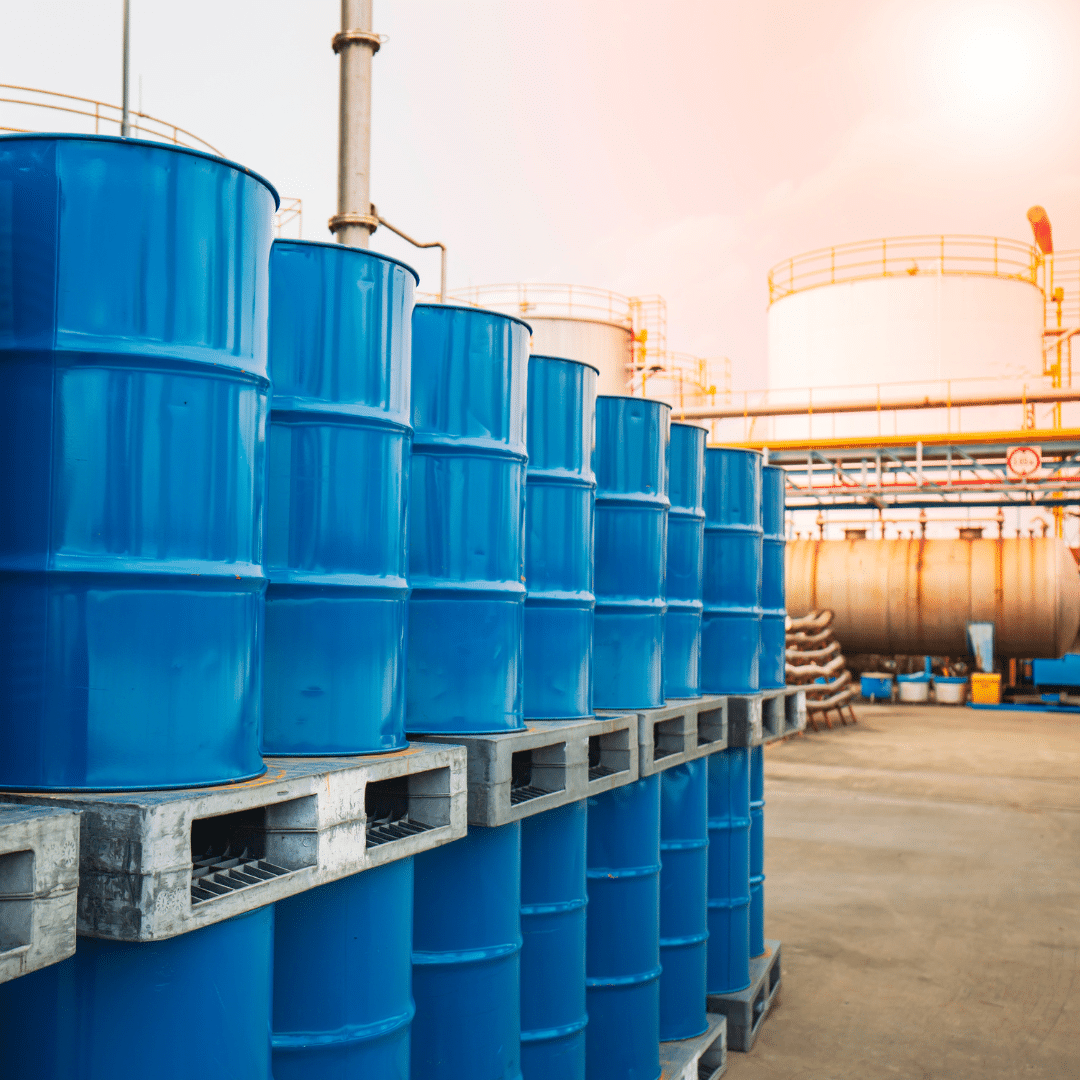
- Storage tanks and containers are in good condition.
- There are no visible signs of leaks, corrosion, or damage.
- Secondary containment is intact and adequate.
- Spill kits and response materials are available.
- Spill prevention and response procedures are current.
- Required inspections are documented.
- Employees know how to respond to a spill or release.
- Required SPCC documentation is current and reflects actual facility conditions.
If your facility is subject to SPCC requirements, inspectors may review the SPCC Plan and walk through the facility to determine whether operations and equipment are consistent with the plan.
5. Review Stormwater and Wastewater Compliance
Water-related requirements can vary significantly depending on facility operations and permits.
- Required stormwater permits are current.
- The facility’s SWPPP or other applicable plans are current.
- Required stormwater inspections have been completed and documented.
- Best management practices are properly maintained.
- Drainage areas and outfalls are free of obvious pollutants or improper discharges.
- Wastewater systems are operating as required.
- Required sampling and monitoring are current.
- Discharge monitoring reports and other required records are available.
During stormwater inspections, regulators may review permits, pollution prevention plans, records, control measures, and facility operations.
6. Review Air and Emissions Requirements
If your facility has regulated air emissions, make sure your operations and documentation match applicable permit requirements.
- Air permits and authorizations are current.
- Permit conditions are being followed.
- Required emissions monitoring is complete.
- Required inspections and maintenance are documented.
- Monitoring equipment is operating properly.
- Required reports and certifications have been submitted.
- Any changes to equipment or operations have been evaluated for permitting implications.
7. Walk the Facility Before the Inspector Arrives
A thorough walk-through can reveal problems that may not be obvious from reviewing paperwork.
Look for:
- Leaking tanks, pipes, or containers
- Damaged secondary containment
- Unlabeled or improperly stored materials
- Accumulated waste or debris
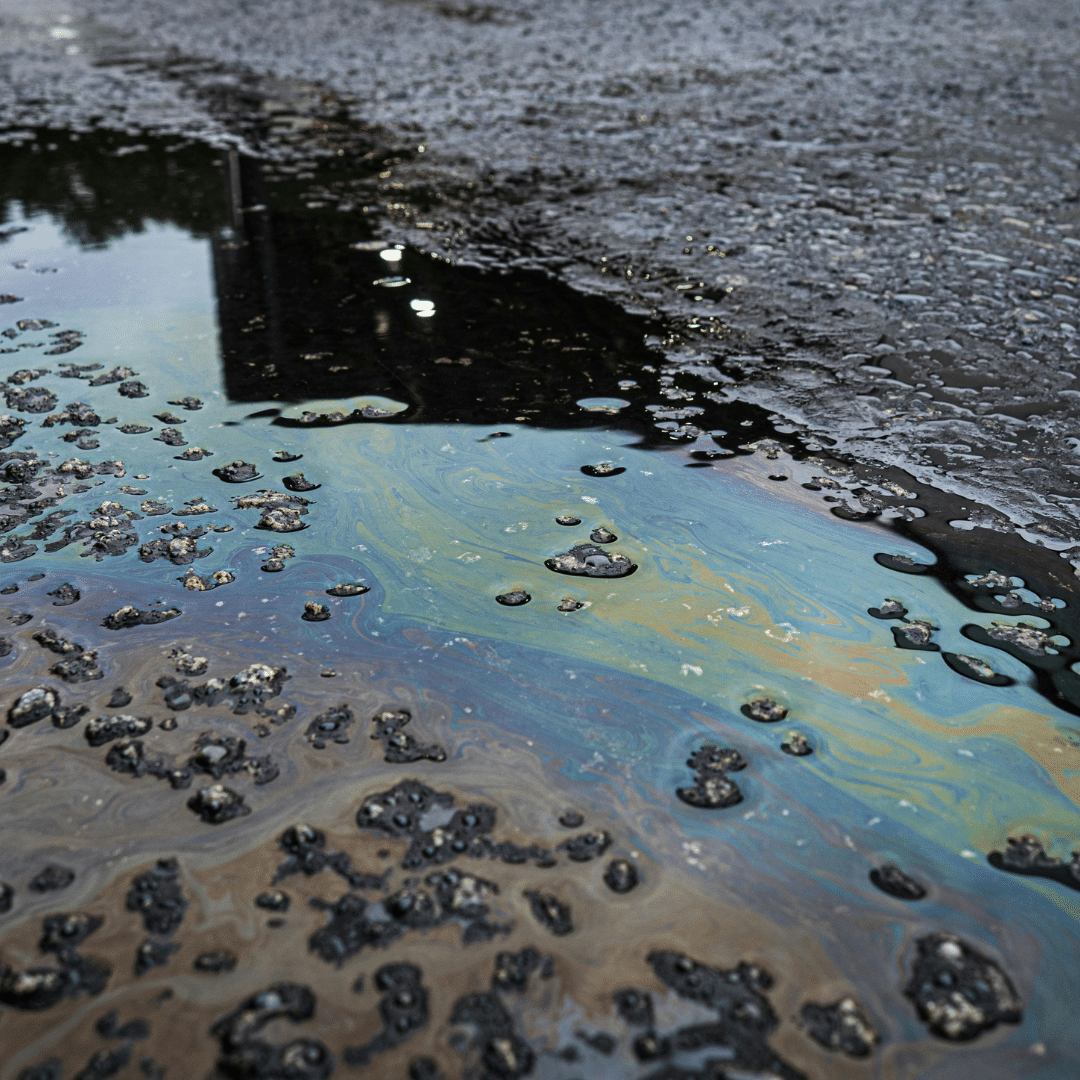
- Evidence of spills or releases
- Blocked drainage areas
- Improperly managed stormwater
- Damaged pollution control equipment
- Missing or outdated signage
- Equipment or operations that differ from approved plans or permits
Do not limit the review to an office or records room. Environmental inspections can include interviews, facility walk-throughs, observations, photographs, and sampling.
What to Do If You Find a Compliance Issue
Finding a potential problem before an inspection allows you to investigate it and determine the appropriate corrective action.
Document the issue, determine whether it represents a regulatory violation, review the applicable permit or regulation, and address the problem promptly when appropriate. Keep documentation of corrective actions and any related communication, repairs, testing, or follow-up.
For complex or potentially significant issues, consider consulting an environmental professional before attempting to resolve the problem on your own. Corrective actions can involve regulatory reporting, additional testing, permitting, remediation, or other requirements depending on the circumstances.
Prepare Before Your Environmental Inspection
Regular compliance reviews can help identify documentation gaps, maintenance issues, and permit concerns before an inspection.
Creative Environmental Solutions, Inc. helps Florida businesses navigate environmental regulations, permitting, compliance, and environmental risks.
Preparing for an inspection? Contact us today to discuss your environmental compliance needs.