
How often should UST tank lining be inspected? Learn typical inspection frequency requirements and how proper inspections help prevent leaks, compliance issues, and costly remediation.
Understanding how often UST tank lining should be inspected is critical for maintaining compliance, preventing leaks, and protecting both property and groundwater. Underground storage tanks rely on internal linings for corrosion protection, but these linings must be routinely evaluated to ensure they remain structurally sound.
For most systems, inspection frequency is not arbitrary. It is guided by federal regulations, industry standards, and site-specific risk factors.
How Often Should UST Tank Lining Be Inspected?
If an underground storage tank uses internal lining as its primary corrosion protection method, inspection timelines are clearly defined.
According to the U.S. Environmental Protection Agency:
- Tanks with internal lining only must be internally inspected within 10 years of installation or lining application.
- After the initial inspection, they must be inspected at least every 5 years.
These inspections are required to confirm that:
- The lining is still intact and bonded properly
- There are no cracks, blistering, or delamination
- The tank structure remains sound
When More Frequent Inspections May Be Needed
While federal guidelines establish minimum timelines, some situations require more frequent inspections.
High-risk factors include:
- Older tanks nearing the end of their service life
- Facilities with a history of leaks or corrosion
- Harsh soil or groundwater conditions
- Tanks storing hazardous substances
- Regulatory requirements at the state level
In these cases, environmental professionals may recommend a shorter inspection interval to reduce risk and liability.
Why UST Tank Lining Inspections Matter
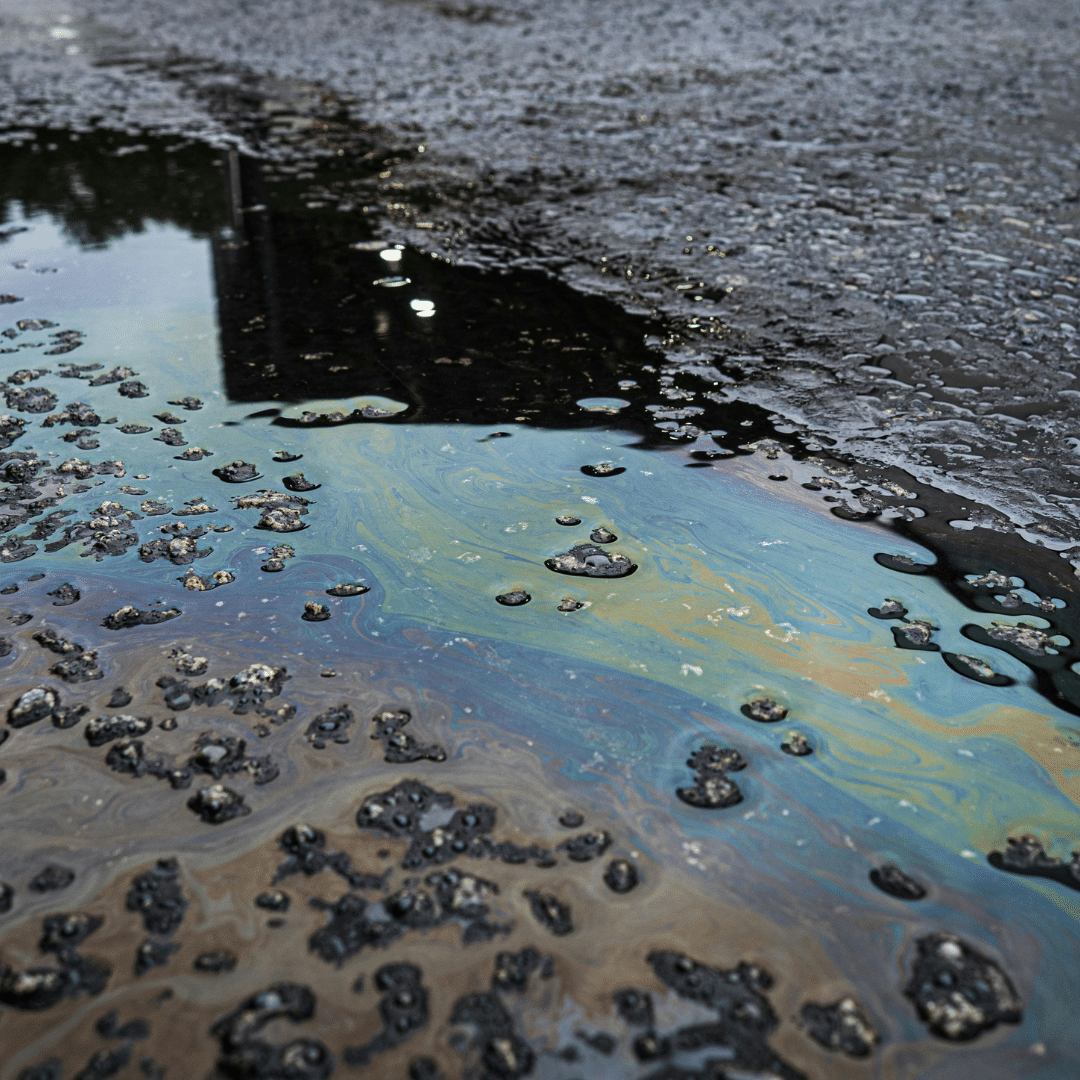
UST systems are a major source of environmental contamination when failures occur. Hundreds of thousands of releases have been documented nationwide, often caused by corrosion or structural failure.
Routine inspections help prevent:
- Soil and groundwater contamination
- Costly remediation projects
- Regulatory penalties and enforcement actions
- Delays in commercial real estate transactions
For property owners and developers, maintaining proper inspection records is also essential during environmental due diligence.
What Happens During a UST Tank Lining Inspection?
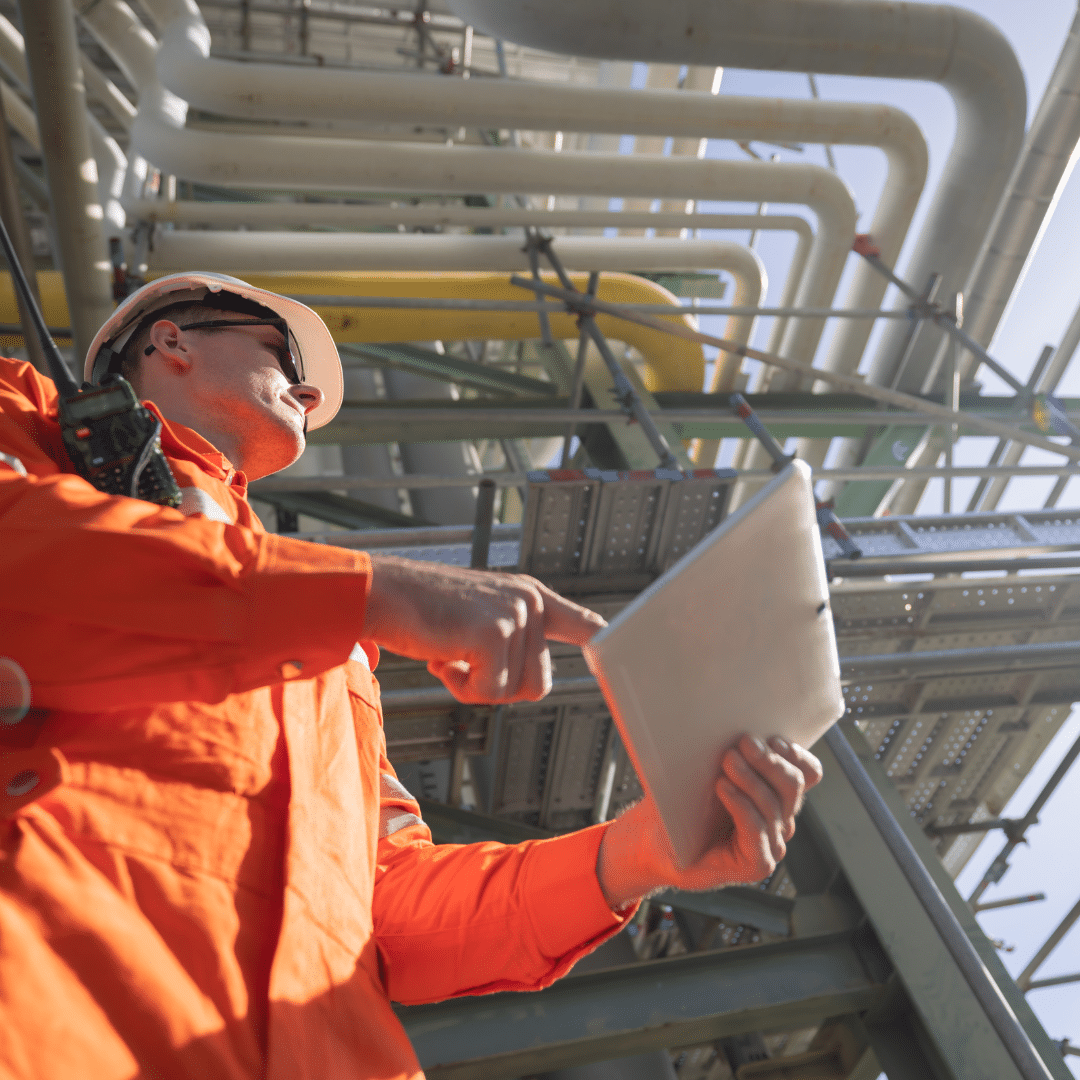
A professional inspection evaluates both the lining and the structural integrity of the tank.
Typical inspection steps include:
- Internal visual inspection of the tank lining
- Ultrasonic or thickness testing of tank walls
- Identification of corrosion, pitting, or coating failure
- Documentation for regulatory compliance
If deficiencies are identified, corrective actions may include:
- Re-lining the tank
- Upgrading to cathodic protection
- Replacing the tank system entirely
How to Determine the Right UST Tank Lining Inspection Schedule
While federal guidelines establish the minimum inspection timeline, the ideal schedule is not always one-size-fits-all. Facility conditions, tank age, and environmental sensitivity all play a role in determining how often inspections should occur.
Property owners and operators should consider:
- The age and condition of the tank system
- Past inspection results or known deficiencies
- Site conditions, such as soil composition and groundwater presence
- The type of substance stored in the tank

- State or local regulatory requirements

By evaluating these factors alongside federal standards, facility owners can develop an inspection schedule that not only meets compliance requirements but also reduces the likelihood of unexpected failures and costly environmental impacts.
UST Inspections and Commercial Real Estate
UST systems are a major concern during property acquisitions, land development projects, and environmental site assessments. If inspection records are missing or outdated, it can trigger additional environmental testing, delay transactions, and increase liability exposure.
Maintaining proper UST tank lining inspection frequency is not just a compliance issue; it directly impacts property value and deal timelines.
Work With Experienced UST Inspection Professionals
UST tank lining inspections require specialized expertise, equipment, and regulatory knowledge. Working with experienced environmental professionals ensures:
- Accurate assessment of tank condition
- Proper documentation for compliance
- Early detection of potential failures
How often should UST tank lining be inspected? Creative Environmental Solutions knows regulations and best practices, and can provide support for underground storage tank compliance, inspection coordination, and environmental due diligence.
Whether you are managing an active facility or preparing a property for sale, our team helps ensure your UST systems meet regulatory requirements and minimize environmental risk. Contact us today for all your UST inspection needs.