Ensuring Underground Storage Tank Compliance: Tips for Facility Owners
Underground storage tank compliance is essential for facility owners to avoid fines and environmental risk. Learn inspection tips, regulations, and best practices.
Maintaining underground storage tank compliance is a critical responsibility for facility owners across Florida. Whether you manage a fuel station, industrial site, or commercial property with an underground storage tank, failure to meet regulatory requirements can result in costly fines, environmental liability, and operational disruptions.
Underground storage tanks (USTs) are tightly regulated due to their potential impact on soil and groundwater. Understanding inspection requirements, monitoring obligations, and regulatory expectations is essential to protecting your facility—and your bottom line.
Why Underground Storage Tank Compliance Matters
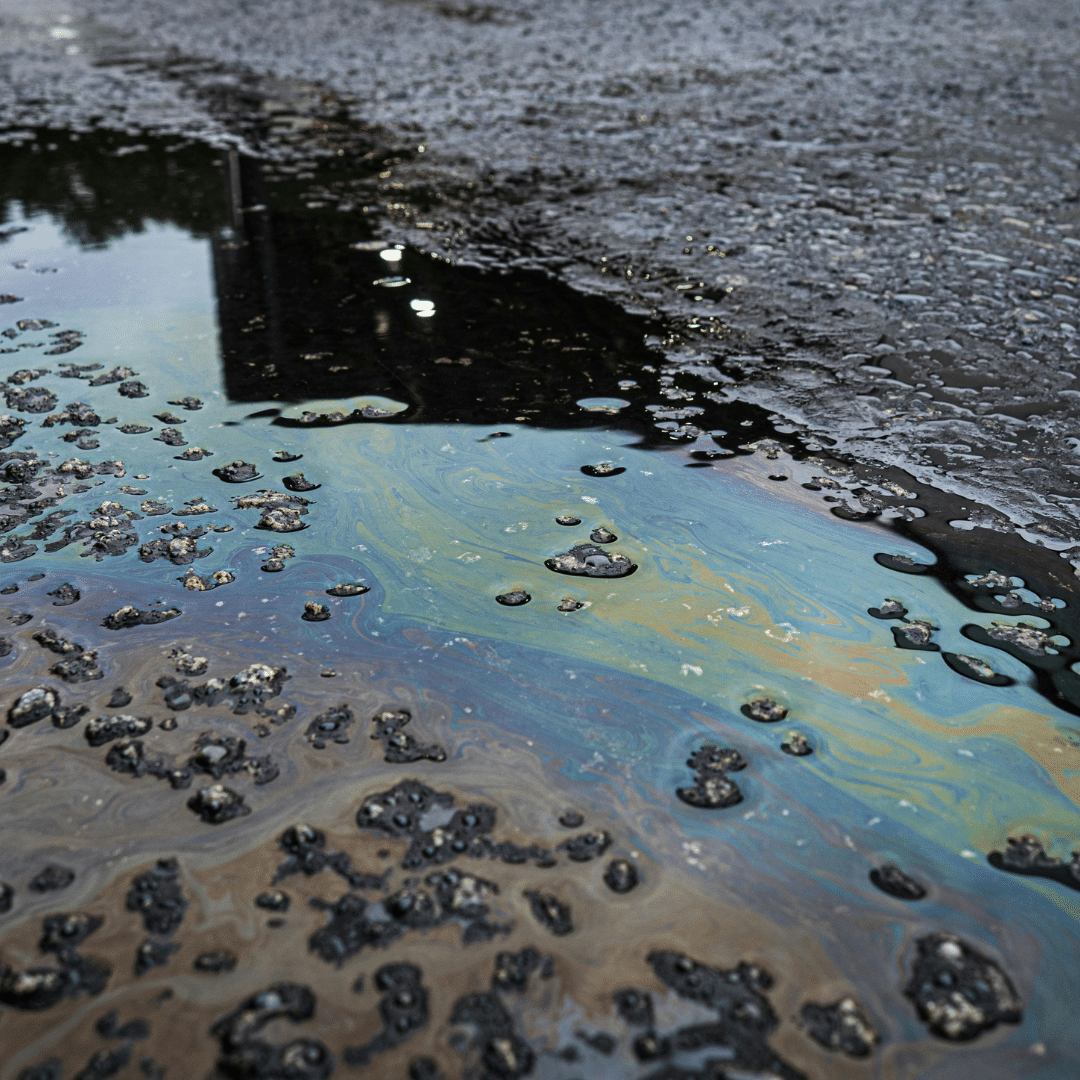
Underground storage tank regulations are designed to prevent leaks, spills, and long-term contamination that can threaten public health and the environment. Even minor compliance gaps can trigger enforcement actions, cleanup obligations, or unexpected delays during property sales and redevelopment projects.
For facility owners, compliance goes beyond avoiding penalties—it plays a critical role in risk management, asset protection, and transaction readiness.
Underground storage tank issues are often identified during environmental due diligence, particularly when commercial properties change ownership or are evaluated for redevelopment. In these situations, tank compliance concerns typically emerge as part of a broader environmental site assessment, making early review essential to avoiding last-minute complications.
Know the Underground Storage Tank Regulations That Apply to Your Facility
UST regulations vary based on tank age, contents, and use, but most facilities must comply with federal EPA requirements and state-specific rules enforced by environmental agencies.
Staying current with underground storage tank regulations is especially important for older systems, which are more prone to failure and regulatory scrutiny.
Schedule Regular Inspections with a Qualified Underground Storage Tank Inspector
One of the most effective ways to maintain compliance is by working with a qualified underground storage tank inspector. Inspections help identify mechanical issues, monitor failures, and document gaps before they escalate into violations.
Routine inspections also support:
Early detection of leaks or system failures
Accurate compliance records
Smoother audits and regulatory reviews
Reduced risk of emergency response or cleanup actions
For facilities undergoing ownership changes or redevelopment, inspection reports are often essential to environmental due diligence.
Maintain Accurate Records and Monitoring Systems
Compliance depends heavily on documentation. Facility owners should ensure that all inspection reports, monitoring data, and maintenance logs are properly maintained and readily accessible.
Well-organized records demonstrate good-faith compliance efforts and can significantly reduce exposure during regulatory inspections or enforcement actions.
Address Issues Promptly to Avoid Escalating Liability
If an inspection identifies deficiencies or potential releases, addressing them quickly is critical. Delays can increase contamination risks, expand cleanup scope, and elevate regulatory consequences.
Proactive corrective action not only protects the environment but also helps facility owners control costs and timelines.
Underground Storage Tank Compliance Checklist and Timelines
Maintaining underground storage tank compliance requires more than occasional inspections. Facility owners should follow a structured schedule to stay aligned with federal and Florida regulatory expectations.
Below is a practical checklist with general timelines to help guide compliance efforts:
Monthly
Check release detection equipment for proper operation
Review monitoring records for inconsistencies or alarms
Inspect spill buckets and containment areas
Annually
Conduct required UST system inspections
Test spill prevention equipment
Test overfill prevention devices
Ensure leak detection systems are calibrated and functioning properly
Every 3 Years
Perform containment sump testing if applicable
Test piping and interstitial monitoring systems
Every 5 Years
Inspect internal tank lining if applicable
Test cathodic protection systems by a qualified professional
As Needed
Repair or replace failing components immediately
Update records and documentation after any maintenance or inspection
Notify regulatory agencies of releases or compliance issues
Following a consistent schedule not only helps meet regulatory requirements but also reduces the likelihood of costly environmental incidents.
FAQ: Underground Storage Tank Compliance
What are UST compliance requirements in Florida?
UST compliance requirements in Florida include meeting federal EPA standards as well as state-specific regulations enforced by the Florida Department of Environmental Protection. These typically involve proper installation, leak detection systems, spill and overfill prevention, routine inspections, and detailed recordkeeping. Facilities must also follow strict reporting requirements if a release or system failure occurs.
Most underground storage tanks require annual inspections to verify that critical components such as leak detection, spill prevention, and overfill systems are functioning properly. In addition, certain components such as tank linings and cathodic protection systems must be inspected on a multi-year schedule. Ongoing monitoring is also required between formal inspections.
Do all underground storage tanks require the same compliance schedule?
No. Inspection and compliance requirements can vary depending on tank type, age, contents, and protection systems. Older tanks or those without modern corrosion protection may require more frequent evaluation.
What triggers additional UST compliance requirements?
Changes in ownership, system upgrades, suspected leaks, or redevelopment plans can all trigger additional inspections, reporting, or corrective actions. These situations are often identified during environmental due diligence.
How CES Helps Facility Owners Stay Compliant
At Creative Environmental Solutions, Inc. (CES), we help facility owners navigate the complexities of underground storage tank compliance with confidence. Our team supports inspections, regulatory reviews, compliance documentation, and corrective action planning to ensure your facility meets all applicable requirements.
Whether you need assistance coordinating an underground storage tank inspector, interpreting underground storage tank regulations, or resolving compliance concerns, CES provides clear guidance backed by decades of experience.
Contact CES today to discuss your underground storage tank compliance needs and protect your facility from unnecessary risk.