
What problems do leaking underground storage tanks cause? From soil and groundwater contamination to costly cleanup and liability, learn how to detect, prevent, and address UST leaks.
Underground storage tanks are a common feature of many commercial and industrial properties. But when an underground storage tank leaks, it can trigger a cascade of environmental, regulatory, and financial problems. Understanding the problems caused by leaking underground storage tanks is critical for facility owners, developers, and landowners responsible for compliance and long-term property value.
Leaking underground storage tanks (USTs) don’t just represent a mechanical failure — they pose serious risks to soil, water, human health, and regulatory compliance. Early detection and prompt response can prevent minor issues from becoming costly liabilities.
Soil and Groundwater Contamination
One of the most serious outcomes of underground storage tank leaks is the release of petroleum products or hazardous chemicals into the surrounding soil and groundwater. These contaminants can:
- Migrate through subsurface soil layers
- Enter aquifers and impact drinking water supplies
- Affect neighboring properties and ecosystems
Contaminated soil and groundwater can take years — or even decades — to remediate, significantly increasing cleanup costs and impacting redevelopment potential.
Harm to Public Health and the Environment
Contaminants from underground storage tank leaks can pose health risks to humans and wildlife. For example:
- Benzene and other hydrocarbons are linked to increased cancer risk
- Volatile compounds can enter indoor air via vapor intrusion
- Toxic exposures can harm wildlife and aquatic life
When hazardous materials move off-site, the impact can extend far beyond the immediate property boundary.
Regulatory and Compliance Consequences
Underground storage tank leaks trigger a wide range of regulatory requirements. Agencies such as the Florida Department of Environmental Protection (FDEP) and the U.S. Environmental Protection Agency enforce laws that require:
- Immediate reporting of suspected leaks
- Site assessment and characterization
- Remediation planning and implementation
- Long-term monitoring and closure documentation
Failure to address an underground storage tank leak can lead to fines, enforcement actions, and permit revocation. Ensuring compliance with underground storage tank compliance programs — including proper inspections, leak detection systems, and recordkeeping — is essential to avoid these consequences.
Financial Exposure and Cleanup Costs
Leaking USTs can quickly become expensive. Cleanup costs may include:
- Soil excavation and disposal
- Groundwater treatment systems
- Long-term monitoring wells
- Regulatory reporting and oversight
- Legal fees if neighboring properties are affected
These costs can escalate into the tens or hundreds of thousands of dollars — far more than the cost of proactive inspection and maintenance.
Impacts on Property Value and Transactions
Underground storage tank leaks can significantly depress property value. Buyers, lenders, and insurers often require:
- Phase I Environmental Site Assessments
- Phase II investigations
- Remediation plans and closure letters
Properties with known releases can be difficult to finance, insure, or sell. Even perceived risk can deter investment unless the contamination is properly investigated and addressed.
Reputation and Community Relations Risk
Environmental contamination reflects poorly on property owners and operators. Communities and neighbors may lose confidence in your operations, which can influence:
- Local permitting approvals
- Public perception
- Long-term community support
Being proactive about contamination prevention and response demonstrates responsibility and builds trust.
How Underground Storage Tank Leak Detection Works
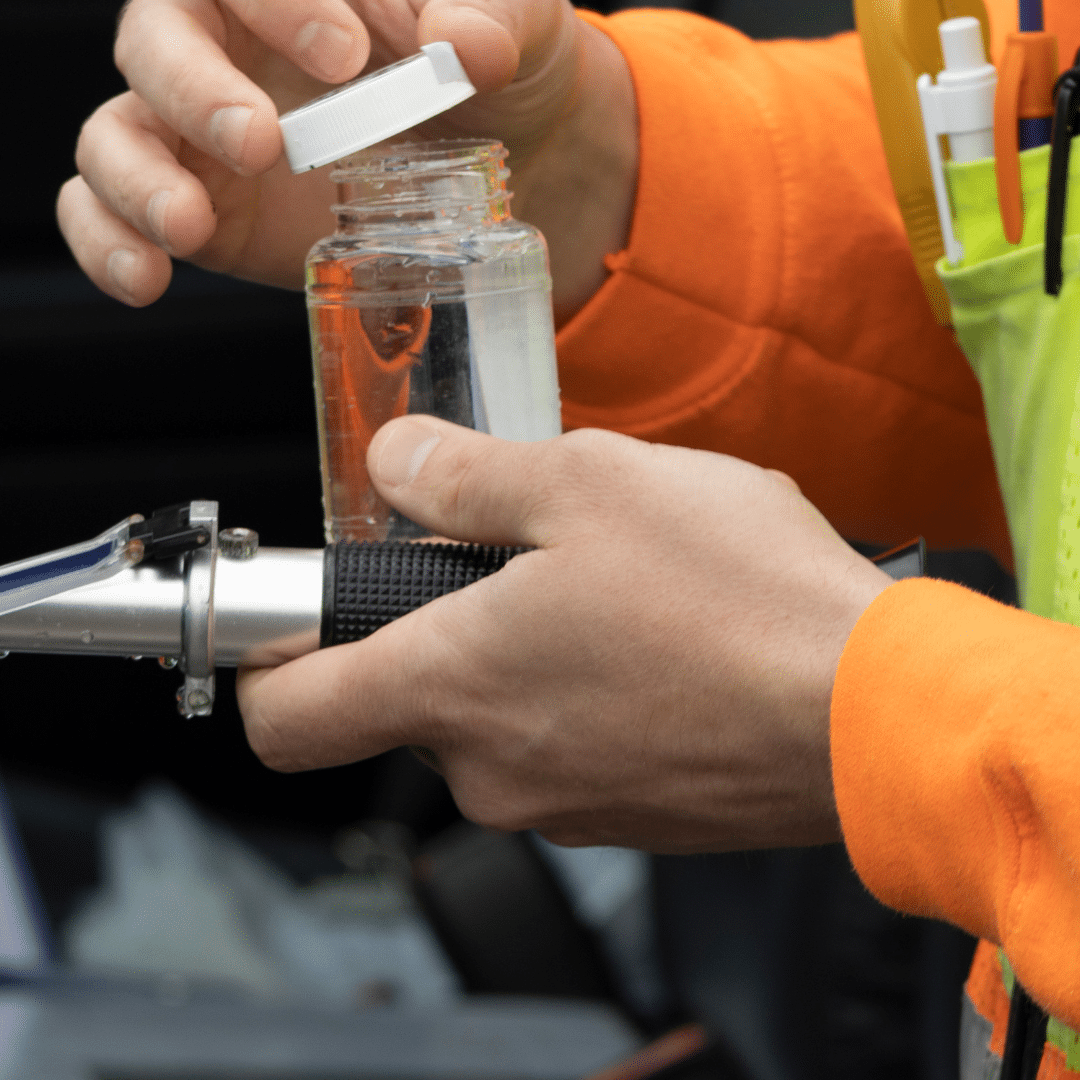
Early detection is vital to minimize harm. Automated leak detection systems, routine testing, and visual inspections help identify underground storage tank leaks before they cause major problems.
Working with experienced underground storage tank leak inspectors ensures that testing follows regulatory protocols and that potential releases are documented accurately.
Routine leak detection and inspection programs — paired with proper maintenance and secondary containment systems — substantially reduce the likelihood of large-scale releases.
FAQ: Leaking Underground Storage Tanks
How do I know if a UST is leaking?
Leaking tanks often reveal themselves through sudden changes in tank inventory, unexpected contamination in soil or groundwater, odor, or alarm triggers from monitoring systems.
Who must investigate a suspected UST leak?
A qualified environmental professional, often tasked as an underground storage tank leak inspector, should assess the site and perform confirmatory sampling.
What regulatory action is required when a leak is found?
Most programs require immediate notification, site assessment, corrective actions, and eventual reporting to state and federal agencies.
Are there preventative measures for leaks?
Yes — leak detection systems, corrosion protection, secondary containment, and regular inspections help prevent releases or detect them early.
Next Steps if You Suspect a Leak
If you suspect contamination from a leaking underground storage tank, acting quickly reduces both environmental harm and cost. At Creative Environmental Solutions (CES), we help property owners:
- Evaluate suspected leaks
- Perform site characterization and sampling
- Prepare corrective action plans
- Coordinate with state and federal regulators
- Manage remediation activities
Whether you need assistance with leak investigation, compliance documentation, or long-term monitoring, our team offers reliable support.
Get Help With Underground Storage Tank Issues
What problems do leaking underground storage tanks cause? Leaking tanks can lead to serious environmental, regulatory, and financial problems if not addressed promptly and professionally. For expert guidance on detection, compliance, and remediation, contact Creative Environmental Solutions.
Our experienced team of environmental professionals can help you understand your risk, respond to suspected leaks, and develop defensible solutions that protect your property and your investment.
Contact CES today to schedule a consultation and learn how we can help you manage underground storage tank risks with confidence and compliance.