Learn how brownfield redevelopment turns underused properties into new opportunities through environmental assessment, remediation, and permitting.
Brownfield redevelopment can transform underused or potentially contaminated properties into productive commercial, industrial, residential, or mixed-use developments. For property owners and developers, these sites can offer valuable opportunities, but environmental concerns often need to be addressed before redevelopment can move forward.
The U.S. Environmental Protection Agency (EPA) defines a brownfield as a property where expansion, redevelopment, or reuse may be complicated by the presence or potential presence of a hazardous substance, pollutant, or contaminant. Importantly, a property does not have to be confirmed as contaminated to be considered a brownfield.
What Is Brownfield Redevelopment?
Brownfield redevelopment is the process of assessing, cleaning up when necessary, and returning a brownfield property to productive use. Former gas stations, dry cleaners, manufacturing facilities, warehouses, and other commercial or industrial properties are common examples of sites that may present brownfield concerns.
Redevelopment may turn these properties into new businesses, housing, industrial facilities, public spaces, or mixed-use developments. The appropriate approach depends on the site’s history, environmental conditions, regulatory requirements, and intended future use.
What Is the Brownfield Redevelopment Process?
Every property is different, but redevelopment generally progresses through several stages. Addressing environmental concerns early can help developers better understand potential liabilities, costs, and project requirements before making major investments.
- Environmental Due Diligence and Site Assessment
The process often begins with environmental due diligence to evaluate current and historical property uses and identify potential environmental concerns.
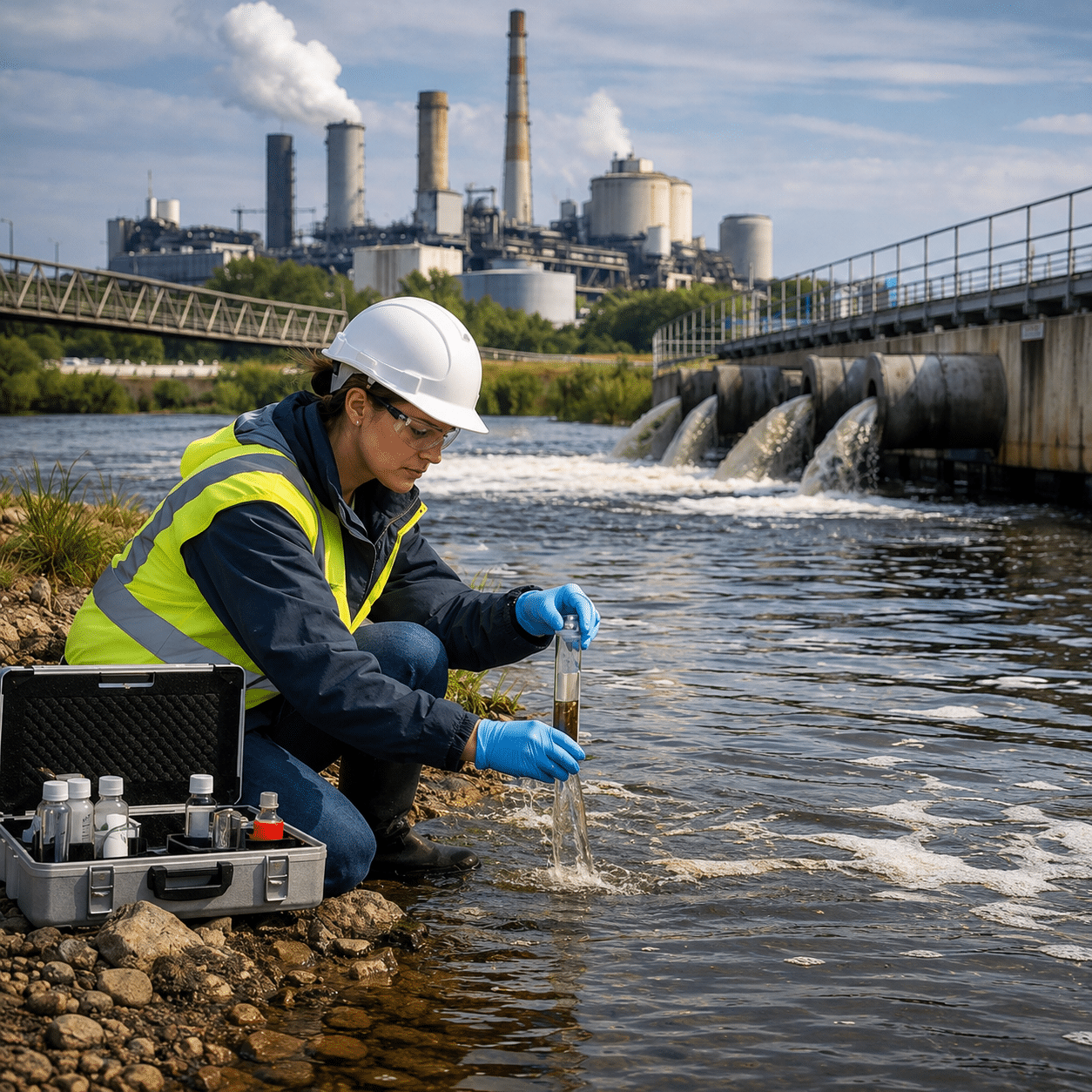
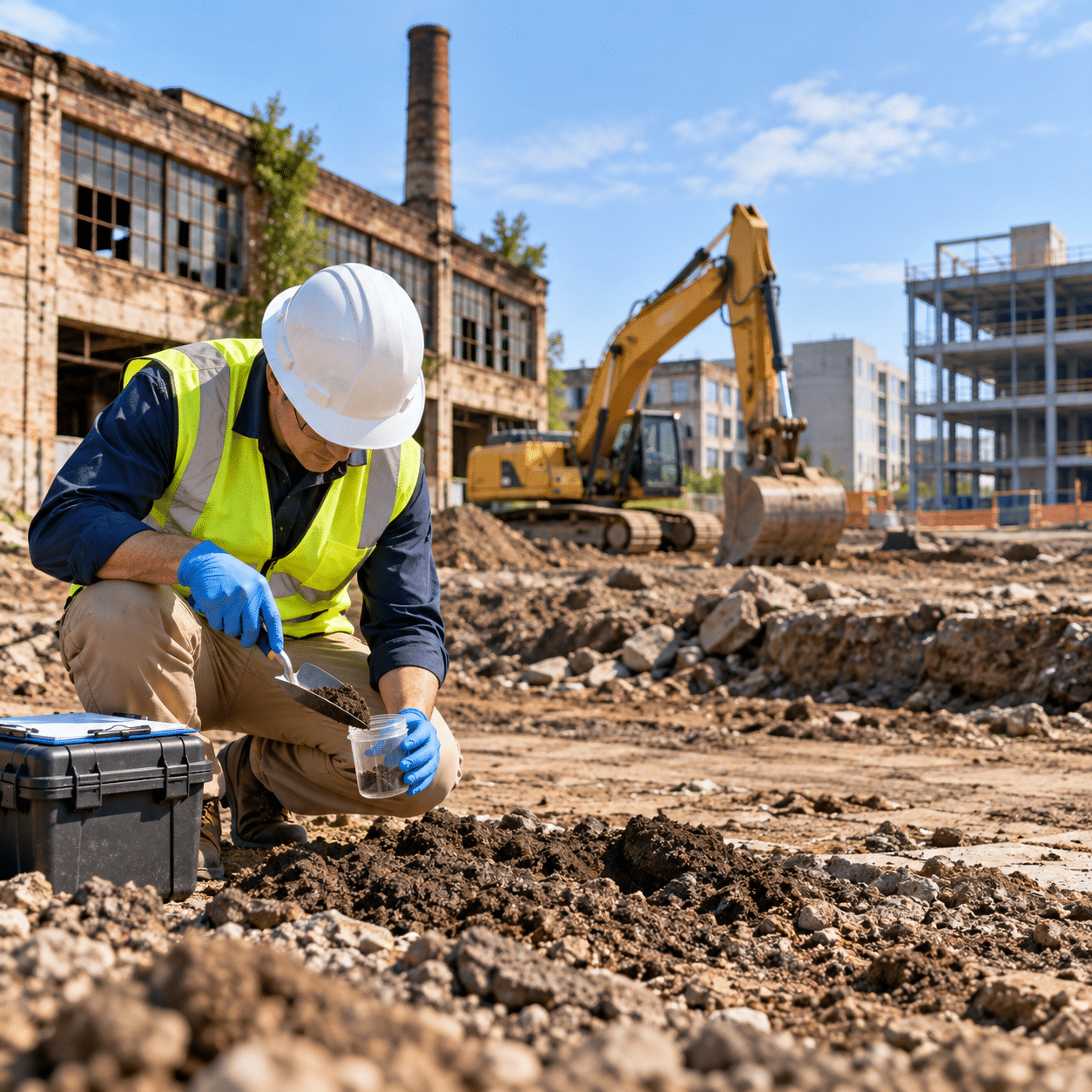
A Phase I Environmental Site Assessment may identify Recognized Environmental Conditions associated with the property. If additional investigation is warranted, a Phase II Environmental Site Assessment can involve soil, groundwater, or other sampling to determine whether contamination is present.
The findings help property owners and developers understand the site’s environmental condition and determine what additional action may be necessary.
- Remediation Planning
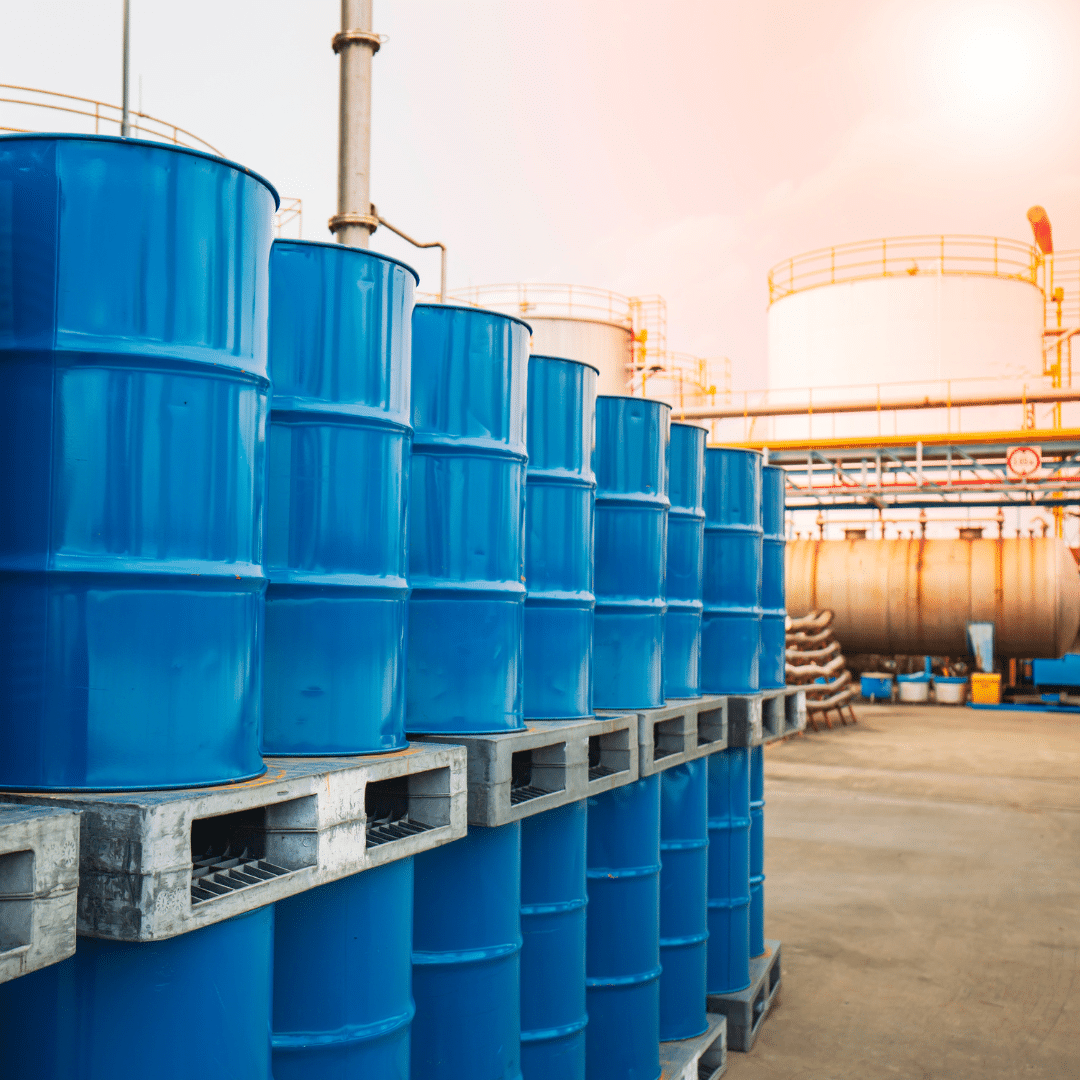
When contamination is identified, the next step is determining how to address it. Potential contaminants at brownfield properties can include petroleum, lead, asbestos, PFAS, PCBs, and other hazardous substances.
Remediation strategies depend on the contaminant, extent of contamination, site conditions, regulatory requirements, and planned future use. Cleanup may involve removing contaminated material, treating soil or groundwater, containing contamination, or using other risk-based approaches.
- Environmental Permitting and Regulatory Coordination
Brownfield projects may involve environmental permitting or coordination with state, federal, and local regulatory agencies. Requirements vary by property and proposed development.
Working with an environmental consultant throughout the process can help developers understand applicable requirements, prepare necessary documentation, and coordinate environmental work with the larger development schedule.
- Redevelopment and Reuse
Once environmental requirements are addressed, the property can move toward redevelopment. Considering the intended future use early is important because cleanup decisions can be influenced by how the property will ultimately be used.
Why Redevelop a Brownfield Property?
Although brownfield properties can present additional challenges, redevelopment can provide significant benefits. Many sites are located in established commercial or industrial areas with existing roads, utilities, and other infrastructure.
Successful redevelopment can:
- Return underused property to productive use
- Reduce environmental and public health risks
- Make use of existing infrastructure
- Support economic development and job creation
- Reduce development pressure on undeveloped land
EPA recognizes these benefits as important outcomes of brownfield cleanup and reuse.
Brownfield Redevelopment in Florida
Florida has its own Brownfields Redevelopment Program designed to encourage voluntary cleanup and redevelopment. The program provides a regulatory framework for cleanup and offers qualifying projects potential incentives, including liability protections and certain tax incentives.
Because eligibility and requirements depend on the individual property and project, owners and developers considering a Florida brownfield should evaluate environmental conditions and regulatory options early in the planning process.
Brownfield Redevelopment FAQ
Does a brownfield property have to be contaminated?
No. A property may meet the federal brownfield definition when the potential presence of contamination complicates its redevelopment or reuse. Environmental assessment can help determine whether contamination is actually present.
Can a brownfield be used for commercial development?
Yes. Brownfields can be redeveloped for many uses, including commercial, industrial, residential, mixed-use, recreational, and public projects.
What should developers do before purchasing a brownfield?
Environmental due diligence should be performed early to evaluate the property’s history and potential environmental conditions. Depending on the findings, additional site assessment may be appropriate before moving forward with acquisition or redevelopment.
Move Your Brownfield Redevelopment Project Forward With CES
Brownfield redevelopment can create valuable opportunities, but understanding a property’s environmental conditions before moving forward is critical. Creative Environmental Solutions (CES) provides brownfield redevelopment services to help Florida property owners and developers navigate environmental assessment, remediation, permitting, and regulatory requirements.
With experienced environmental professionals involved early in the process, developers can better understand potential risks, plan for environmental requirements, and keep redevelopment projects moving forward.
Contact us today to discuss your brownfield property or redevelopment plans.